
The modern pace of life increases the load on the musculoskeletal system, liver, and nervous system. Chronic stress, metabolic challenges, age-related changes, and the use of medications create a demand for comprehensive nutrient solutions. S-adenosyl-L-methionine (SAM-e 400) is an endogenous molecule involved in key biochemical reactions and may be useful as an additional source to support joint health, the hepatobiliary system, and the nervous system.
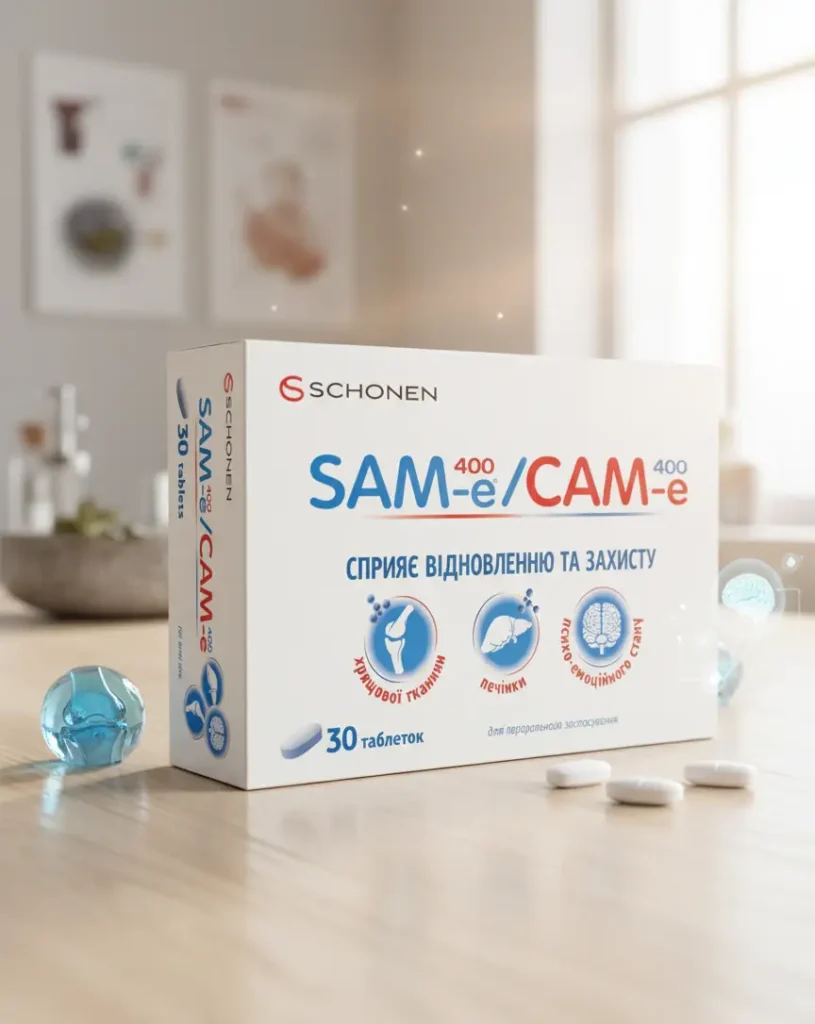
What SAM-e 400 is and why it matters
SAM-e is an active compound of methionine and adenosine triphosphate (ATP). In the body, it acts as a universal methyl group donor and is involved in:
- the synthesis of structural components of articular cartilage;
- the formation and regeneration of antioxidants (in particular glutathione);
- neurotransmitter metabolism processes.
With age or under increased load, endogenous SAM-e levels may decrease, which substantiates its use as a dietary supplement.
How SAM-e 400 works
Joint support
SAM-e participates in the biosynthesis of glucosamine and chondroitin sulfate—key components of articular cartilage. This is important for:
- maintaining joint elasticity and mobility;
- supporting cartilage tissue during age-related changes;
- recovery processes after physical load.
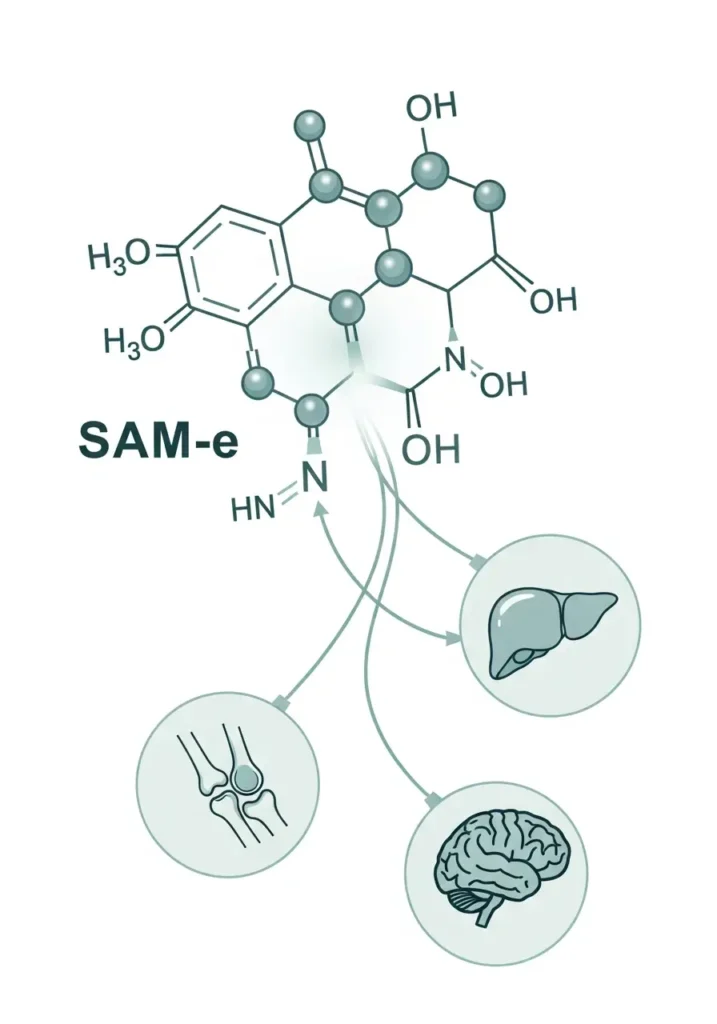
Support of liver function
The liver is the central organ of detoxification and metabolism. SAM-e:
- helps restore glutathione levels, one of the main endogenous antioxidants;
- participates in methylation, which is important for cellular detoxification;
- supports physiological processes of the hepatobiliary system.
Support of the nervous system and psycho-emotional balance
SAM-e is involved in neurotransmitter metabolism that affects mood and cognitive functions. Therefore, its use is considered as nutritional support:
- during increased psycho-emotional load;
- during periods of stress;
- when energy and motivation are reduced.
Table 1. Main support systems of SAM-e
| System | Role of SAM-e |
| Joints | participation in the synthesis of cartilage components |
| Liver | support of antioxidant protection |
| Nervous system | participation in neurotransmitter metabolism |
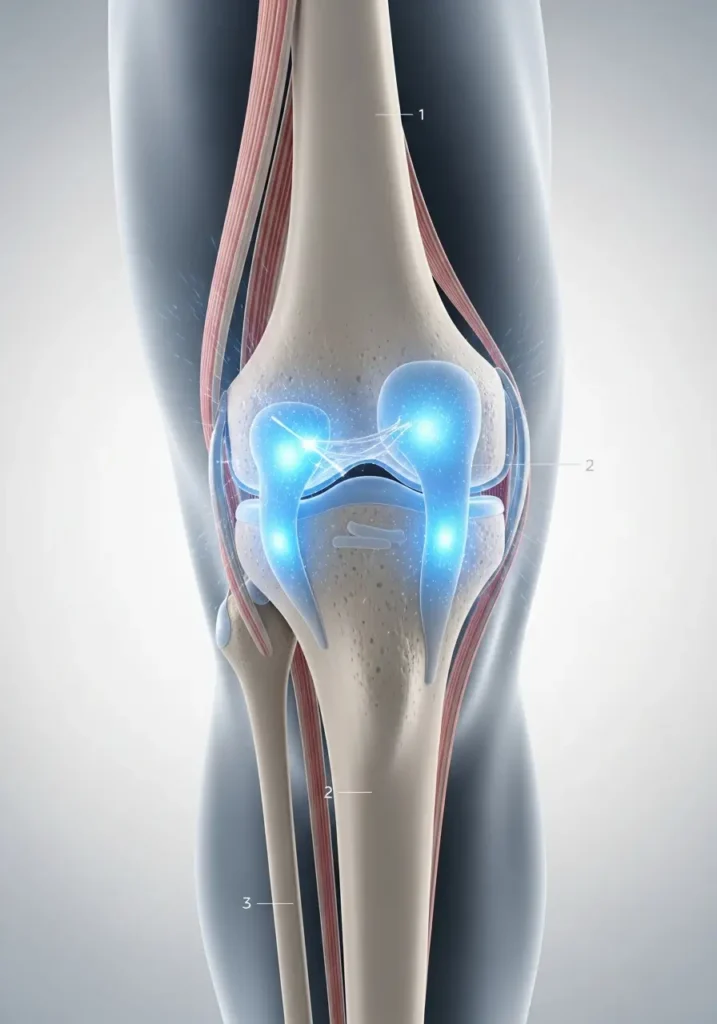
Composition and form
The dietary supplement SAM-e 400 contains:
- S-adenosyl-L-methionine disulfate p-toluenesulfonate — 400 mg per tablet;
- excipients for stability and bioavailability.
Dosage form: tablets No. 30 (2 blisters of 15 tablets).
Recommendations for use
Recommended as a dietary supplement for adults from 18 years:
- 1 tablet 1–2 times per day;
- the duration of use and repeat courses are determined individually by a physician.
Not a medicinal product and does not replace a balanced diet.
Table 2. Key recommendations for use
| Parameter | Recommendation |
| Daily dose | 400–800 mg |
| Age | from 18 years |
| Pregnancy/lactation | do not use |
| Combination with medicines | consult a physician |
Warnings and safety
Use with caution:
- in diabetes or hypoglycemia;
- when taken concomitantly with antidepressants and agents affecting serotonin;
- do not use in manic-depressive conditions.
If adverse reactions occur, discontinue use and consult a physician.
Conclusion
SAM-e 400 is a multifunctional molecule that provides nutritional support to several body systems at once. Due to its participation in key biochemical processes, SAM-e may be an appropriate component of a comprehensive approach to supporting joint health, liver function, and the nervous system in adults. Purchase SAM-e 400 officially on the Medizine website and visit our Health & Skincare Blog, where you will find useful tips, news, and articles.
FAQ
What is SAM-e and what role does it play in the body?
SAM-e (S-adenosyl-L-methionine) is an endogenous molecule involved in methylation processes and in the synthesis of antioxidants and neurotransmitters. It contributes to supporting joint health, liver function, and the nervous system.
How does SAM-e support joint health?
SAM-e participates in the biosynthesis of glucosamine and chondroitin sulfate—structural components of articular cartilage. This helps maintain joint mobility and elasticity and supports cartilage tissue under load and during age-related changes.
What benefits can SAM-e provide for the liver?
SAM-e helps restore glutathione levels—one of the key endogenous antioxidants—and participates in cellular detoxification and methylation processes, supporting physiological liver functions.
How does SAM-e affect the nervous system and psycho-emotional state?
SAM-e is involved in neurotransmitter metabolism that affects mood, energy, and cognitive functions. Its use is considered as nutritional support during periods of stress and increased psycho-emotional load.
Who is recommended to use SAM-e 400 and how?
SAM-e 400 is recommended for adults from 18 years as a dietary supplement at a dose of 400–800 mg per day. The duration of use and the possibility of combining with medications are determined by a physician. Not recommended during pregnancy and lactation.
References
- Bottiglieri T. S-Adenosyl-L-methionine (SAMe): from the bench to the bedside. Molecular Genetics and Metabolism.
- Mato JM et al. S-adenosylmethionine metabolism and liver disease. Hepatology.
- Lieber CS. SAMe and liver health. Journal of Hepatology.
- Mischoulon D., Fava M. Role of SAMe in neuropsychiatric disorders. CNS Drugs.
- Strömblad S. SAMe and joint health. Clinical Rheumatology.