
Alpe medical dressings and plasters help maintain wound cleanliness, create an optimal moist healing environment, and protect the skin during recovery. This article explains how to choose the right dressing, how to apply it correctly, which mistakes to avoid, and how to care for different types of wounds.
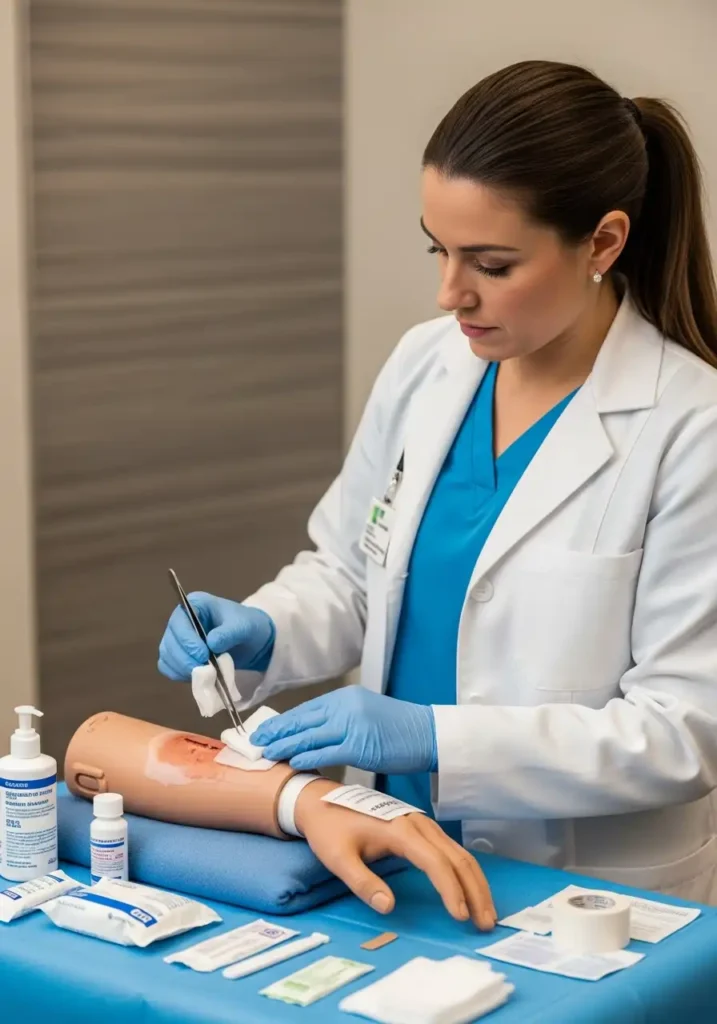
When Alpe Dressings Are Needed
Dressings are used for:
· cuts and abrasions
· superficial burns
· postoperative wounds
· diabetic and trophic ulcers
· irritated or damaged skin
· blisters and friction injuries
· oozing or moist wounds
Choosing the right type of dressing helps the skin heal faster and reduces complications.ї.
Types of Alpe Dressings and Their Uses
Hydrogel Dressings
Moisturize the wound, reduce pain, ideal for superficial burns and dry wounds.
Hydrocolloid Dressings
Maintain a moist environment and accelerate epithelialization.
Polyurethane (Breathable) Dressings
Water-resistant yet breathable — good for postoperative protection.
Sterile Textile Dressings
Suitable for daily care, frequent dressing changes, and general wound management.
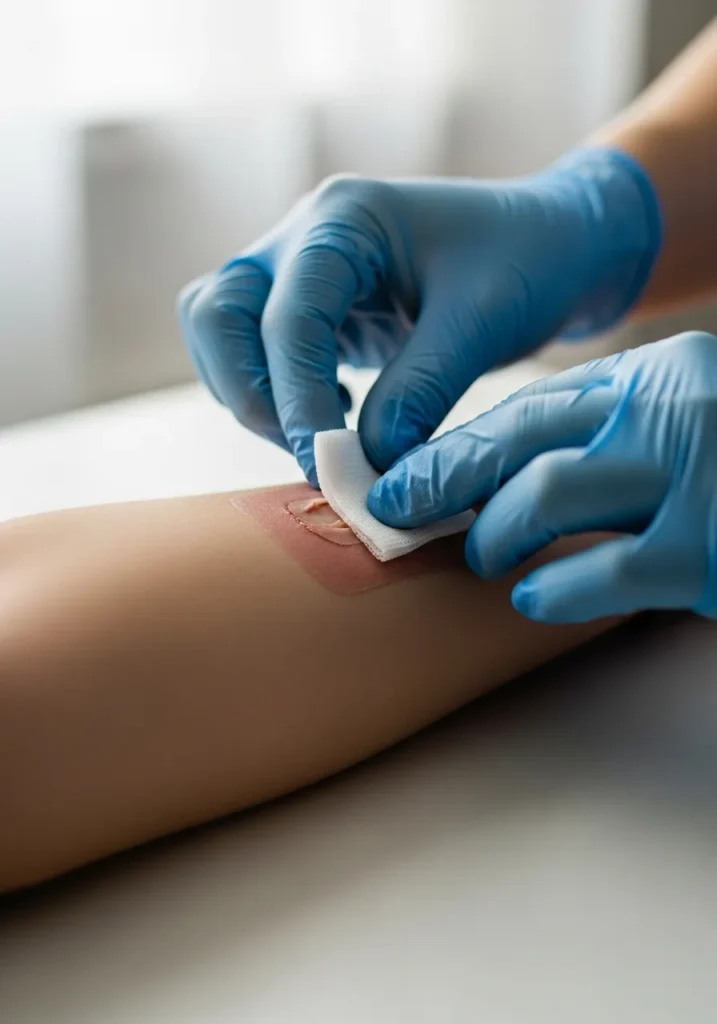
Table 1. Types of Alpe Dressings
| Dressing Type | Suitable For | Features |
| Hydrocolloid | abrasions, minor cuts | retains moisture, speeds healing |
| Hydrogel | burns, dry wounds | cooling, pain relief |
| Polyurethane | postoperative wounds | breathable, waterproof |
| Textile | daily wound care | replace 1–2 times per day |
How to Apply an Alpe Dressing
1. Rinse the wound with water or saline.
2. Apply antiseptic if needed.
3. Gently dry surrounding skin.
4. Choose the dressing according to wound type.
5. Replace according to recommended intervals.
A proper dressing should overlap the wound edges by 1–2 cm.
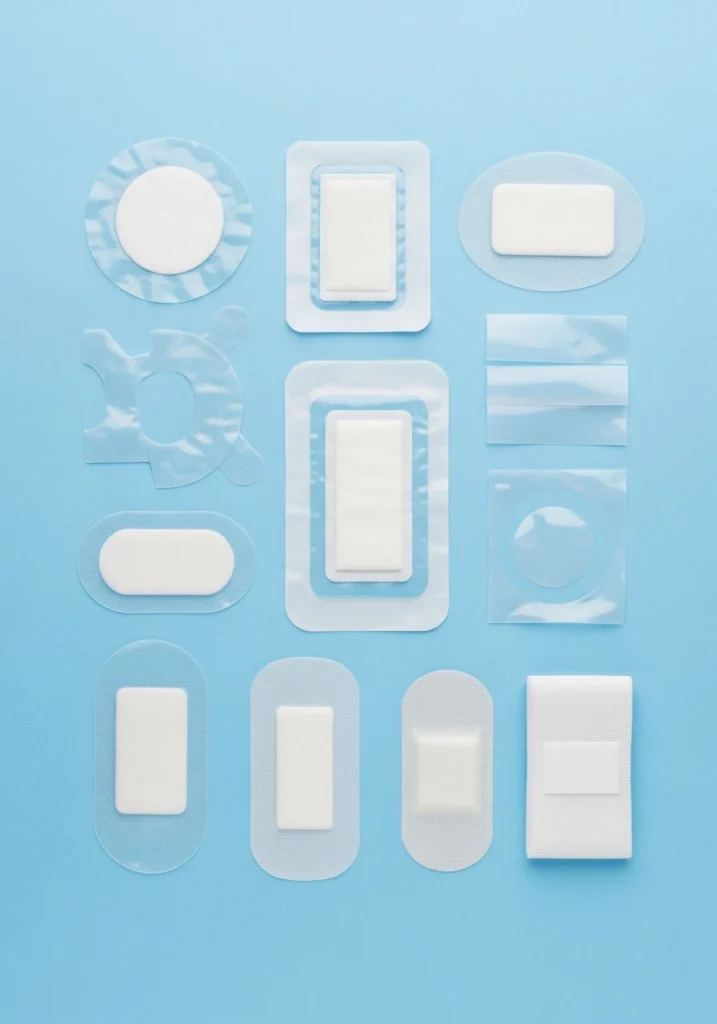
Table 2. Common Mistakes and Their Consequences
| Mistake | Consequence |
| Leaving a hydrocolloid dressing too long | skin maceration |
| Applying on unclean skin | infection risk |
| Frequently lifting to “check” the wound | delayed healing |
| Using alcohol antiseptics on burns | irritation |
FAQ
Can I get an Alpe dressing wet?
Polyurethane dressings — yes; hydrogel and textile — preferably not.
How often should I change the dressing?
Hydrocolloid: every 2–3 days; others: 1–2 times daily.
If a wound is “drying,” do I still need a dressing?
Yes. Moist wound healing is scientifically proven to speed recovery.
Conclusions
Alpe dressings support optimal healing conditions, protect wounds from contamination, and help reduce complications. Choosing the right dressing and following simple care rules significantly improves recovery. Buy Alpe officially on the Medizine website for high-quality care. Visit our Health & Skin Care Blog for useful tips, news, and articles.
Literature
- WHO. Wound management guidelines, 2020.
- European Wound Management Association (EWMA), 2021.
- Gupta S. Moist wound healing principles, Adv Wound Care, 2019.
- International Consensus on Wound Dressings, 2022.